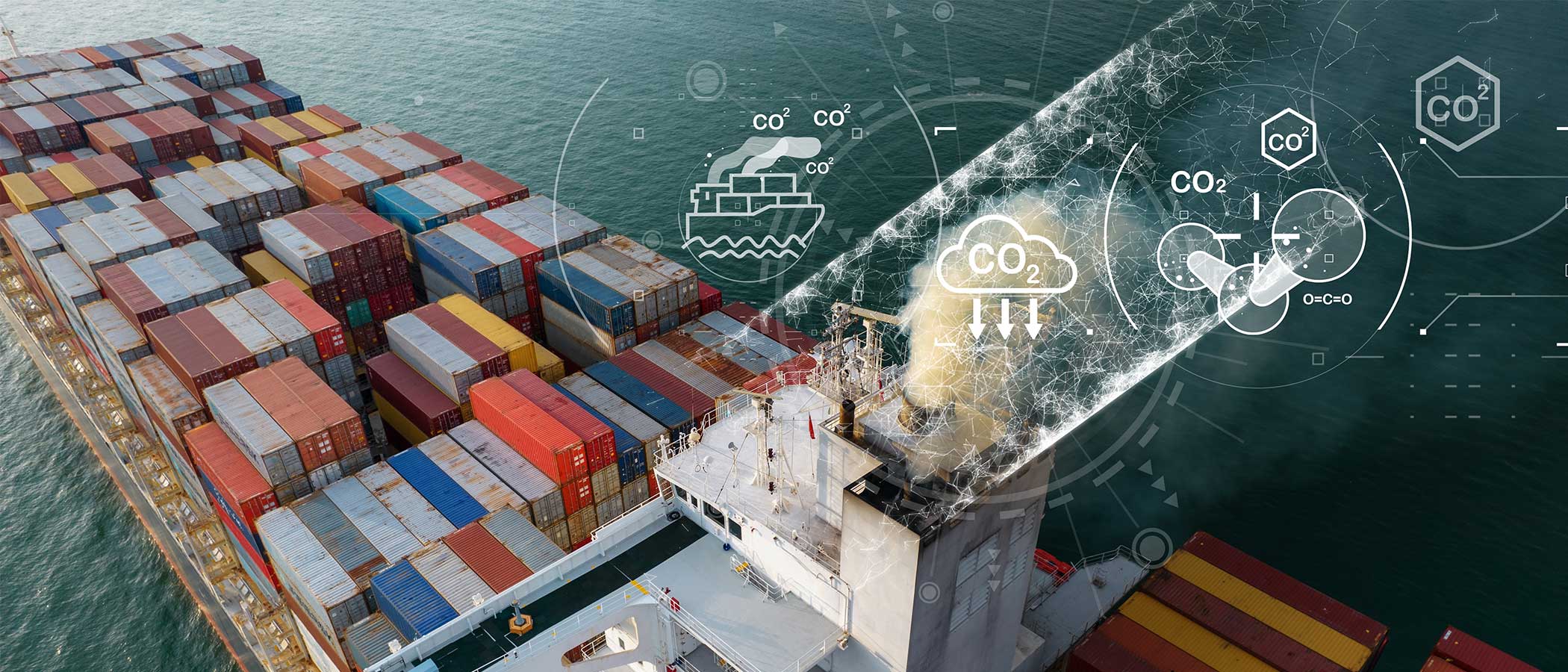
How direct emissions monitoring reduces EU ETS exposure
As the EU Emissions Trading System extends to maritime operations, the accuracy of CO2 reporting has become a direct financial concern. Even small uncertainties in emissions data can translate into significant and recurring costs through the purchase of additional EU Allowances. Continuous Emission Monitoring Systems offer a practical and proven route to reducing this exposure.
The problem with fuel-based estimates
Under current regulatory frameworks, CO2 emissions are typically calculated using fuel consumption multiplied by standard carbon factors. This approach assumes ideal and complete combustion. In reality, engine condition, fuel quality, operating profile, sensor drift, trim, temperature and contaminants all introduce uncertainty. These small errors accumulate over time and can materially overstate annual CO2 emissions.
Direct measurement changes the economics
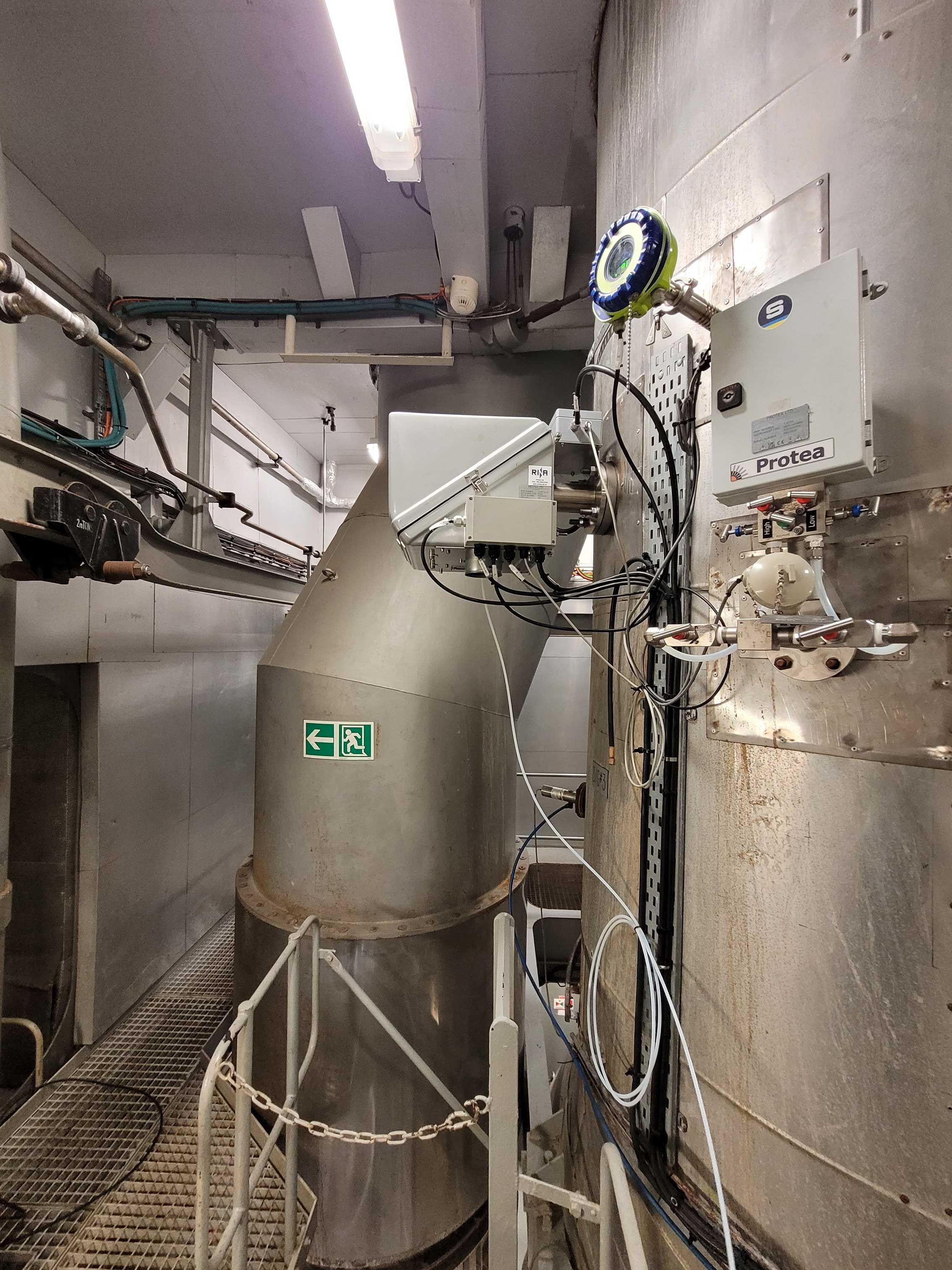
Protea’s CEM analysers measure CO2 directly in the exhaust and are combined with exhaust flow measurement. This delivers continuous, independent, and verifiable emissions data that reflects how the engine actually performs, not how it is assumed to perform.
Independent studies comparing fuel-based calculations with Protea’s direct CO2 measurement across multiple vessels show a consistent divergence. While trends broadly align, fuel-based methods routinely overestimate total annual emissions. With properly calibrated systems, relative measurement uncertainty for direct monitoring is typically well below regulatory thresholds and reduces further when aggregated over daily and annual reporting periods.
An extrapolated EU ETS cost example
Using measured vessel data, the comparison below illustrates the impact of direct measurement versus fuel estimated reporting.
| Period | Protea (CO2 MT) | Fuel Estimated (CO2 MT) | Improvement | Savings @ ETS |
|---|---|---|---|---|
| 5 Month period | 39,622.47 | 42,115.19 | 6% | € 249,271.47 |
| Annual extrapolated | 95,093 | 101,076 | 6% | € 598,300.00 |
In this example, fuel-based estimation overstates annual emissions by nearly 6,000 tonnes of CO2 when extrapolated to a full year. At an EU ETS allowance price of approximately 100 Euro per tonne, this results in an unnecessary compliance cost approaching 600,000 Euro per year.
This cost repeats every year and scales directly with vessel size and fleet scale.
Additional operational benefits
Beyond EU ETS cost avoidance, Protea’s CEMS provide real time visibility of emissions performance. Operators gain insight into combustion efficiency, engine health and post combustion changes such as fuel switching or after treatment behaviour. Multi gas capability supports wider environmental compliance while creating a robust data foundation for optimisation and reporting.
A strategic compliance investment
The business case for installation of continuous analysers is compelling when viewed through an EU ETS lens. Reduced allowance purchases, improved reporting confidence and enhanced operational insight combine to deliver a rapid payback and long-term financial resilience.
Accurate measurement is no longer just a technical preference. Under EU ETS, it is a commercial advantage.