European Ports & Shipping Operators Call For EU ETS Reforms To Protect Trade
17
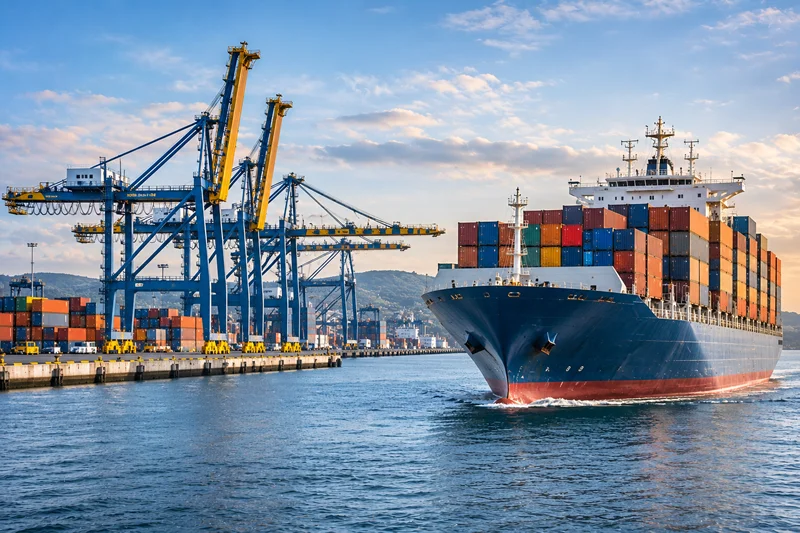
Leading European maritime organisations are calling for changes to the EU Emissions Trading System (EU ETS), warning that current regulations could encourage shipping companies to move container transshipment operations outside European waters, potentially affecting port investment, employment and environmental progress.
The joint appeal, announced in November 2026, brings together four influential industry organisations: the European Sea Ports Organisation (ESPO), the Federation of European Private Port Operators (FEPORT), the World Shipping Council (WSC) and Italian shipowners' association Assarmatori.
Together, they are urging European policymakers to strengthen proposed measures designed to protect European ports from competitive disadvantages associated with maritime carbon pricing.
Concerns Over Shipping Activity Moving Outside the EU
Since the inclusion of maritime transport within the EU ETS in January 2024, shipping operators have faced increasing financial obligations associated with their greenhouse gas emissions.
The system places a carbon cost on covered voyages, encouraging operators to improve efficiency and reduce emissions. However, maritime organisations are concerned that differences in carbon pricing between European and non-European ports could influence shipping routes and investment decisions.
The issue is particularly important for container transshipment, where cargo is transferred between vessels at intermediate ports before continuing to its final destination. European ports compete directly with major international transshipment hubs, including facilities in North Africa and the Mediterranean.
Industry representatives argue that operators may increasingly favour non-EU ports to reduce emissions trading costs, potentially shifting commercial activity without delivering equivalent reductions in overall shipping emissions.
Billions in European Port Investment Could Be at Risk
Research presented by Assarmatori in November 2026 highlights the potential economic consequences of container transshipment moving outside the EU. The study, conducted under the supervision of Professor Giovanni Satta of the University of Genoa, examined maritime services associated with several European ports, including Gioia Tauro, Marsaxlokk, Sines and Taranto.
It identified changes in shipping services potentially associated with EU ETS costs and modelled the financial implications of further traffic relocation. Under the study's short-term scenarios, European ports could face annual revenue reductions of between €403 million and €892 million, alongside the equivalent of €1.43 billion to €3.6 billion in port investment capacity being placed at risk.
These figures represent potential economic impacts under the research scenarios rather than confirmed financial losses.
Nevertheless, the findings have intensified discussions about how maritime emissions regulations can protect environmental objectives while maintaining European port competitiveness.
Industry Calls for a More Balanced Approach
The four maritime organisations have welcomed the European Commission's proposal to introduce a specific mechanism addressing container transshipment within the revised EU ETS. However, they argue that further changes are necessary to ensure the measures work effectively across international shipping networks.
Their recommendations include extending the mechanism to voyages both entering and leaving the EU, covering all relevant transshipment services and ensuring consistent application across European ports.
The organisations believe that these changes would help reduce incentives for shipping companies to relocate operations to facilities outside the EU. The proposals remain subject to the European legislative process, with discussions continuing over how to address potential carbon leakage while preserving the environmental effectiveness of the emissions trading system.
Environmental Progress Must Deliver Real Emissions Reductions
The debate raises a wider question about the effectiveness of environmental regulations when applied to international industries. If shipping routes are changed primarily to reduce regulatory costs, the resulting changes in vessel operations may not necessarily lead to lower overall emissions.
Longer voyages, additional port calls or different vessel operating arrangements could potentially offset some of the environmental benefits intended by carbon pricing. However, the actual impact depends on the routes involved, vessel efficiency and operational circumstances.
For the maritime industry, achieving meaningful decarbonisation requires policies that encourage genuine emissions reductions while supporting investment in cleaner vessels, improved efficiency and environmental technologies. Accurate emissions information is an important part of understanding whether operational changes are delivering the intended results.
Protea Supporting Maritime Emissions Monitoring
As shipping operators respond to evolving environmental requirements, reliable exhaust gas measurement remains an important part of effective emissions management. Protea provides specialist Marine Continuous Emissions Monitoring Systems (CEMS) designed to support exhaust gas analysis in demanding maritime operating environments.
Our Marine CEMS technologies provide valuable measurement information, helping vessel operators understand exhaust gas composition, assess emissions performance and investigate changes associated with different operating conditions.
As the maritime industry continues to invest in cleaner technologies and more efficient operations, dependable monitoring systems can support informed decisions about emissions management.
Looking Ahead to a More Sustainable Maritime Industry
The latest calls for EU ETS reform highlight the complexity of balancing environmental ambitions with the commercial realities of international shipping. European policymakers face the challenge of maintaining effective emissions reduction incentives while addressing concerns about competition, investment and the potential relocation of maritime activity.
For shipping operators, the continued development of environmental regulations reinforces the importance of understanding vessel emissions and evaluating operational performance.
As the industry works towards cleaner and more sustainable maritime transport, reliable measurement technologies will remain an important part of supporting environmental progress.
To learn more about Protea's Marine Continuous Emissions Monitoring Systems and how they can support your vessel emissions monitoring requirements, visit www.protea.ltd.uk/marine.
#Protea #MarineCEMS #EUETS #MaritimeEmissions #ShippingEmissions #MaritimeDecarbonisation #EmissionsMonitoring #EuropeanPorts #SustainableShipping #CarbonLeakage #MaritimeIndustry #MarineTechnology #EnvironmentalCompliance #PortOperations #GreenShipping #ContinuousEmissionsMonitoring
Other Articles
EU Explores Marine Carbon Technologies As Measurement Takes Centre Stage
10
Shipping Emissions Linked to Almost $1 Trillion In Global Economic Damage
06
European Shipowners Call for Greater Investment in Maritime Decarbonisation as Carbon Costs Rise
22
European Ports Accelerate Decarbonisation As Emissions Monitoring Takes Centre Stage
12
Maritime Emissions Monitoring Set For Change As EU Proposes Major Reforms
05
Three Months Into UK ETS Maritime & Emissions Data Moves To The Heart Of Shipping Compliance
15
Rising Methane Emissions Put Maritime Monitoring In The Spotlight
29
EU ETS Reforms Put Emissions Measurement Firmly In Focus
01
Europe Places Maritime Competitiveness At The Centre Of New Industrial Strategy
13
UK Maritime ETS Enters Compliance Phase
01