European Shipowners Call for Greater Investment in Maritime Decarbonisation as Carbon Costs Rise
22
European shipowners are calling for increased financial support to accelerate the transition towards cleaner shipping, raising important questions about how carbon revenues are reinvested and how the maritime industry can meet increasingly demanding environmental targets.
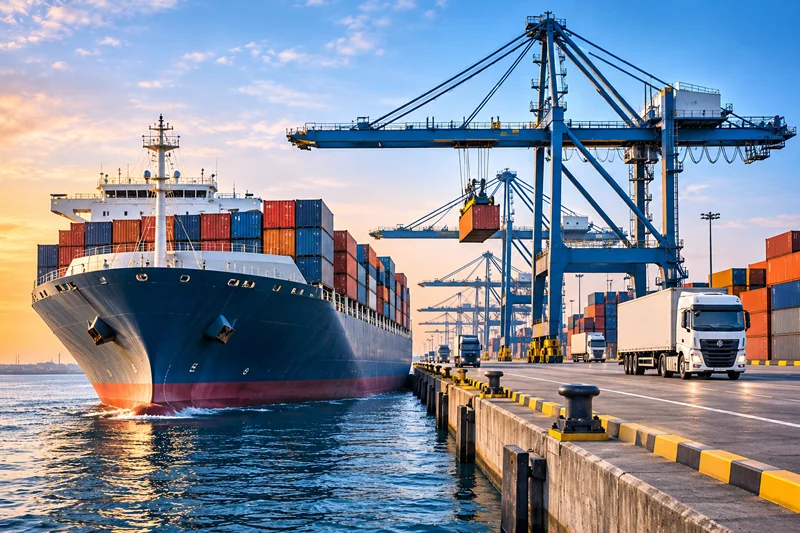
The European Community Shipowners' Associations (ECSA) has urged EU policymakers to triple the carbon allowances allocated to the proposed Sustainable Maritime Alternative Propulsion (SMAP) mechanism, increasing the reserve from 110 million to 330 million allowances.
The proposed increase, valued at approximately €30 billion, is intended to help bridge the financial gap between conventional marine fuels and more sustainable alternatives, while encouraging investment in technologies that reduce emissions.
The development highlights the challenges facing shipping operators as they balance rising environmental compliance costs with the substantial investment needed to modernise vessels, improve efficiency and introduce cleaner propulsion technologies.
Shipping's Contribution to European Carbon Revenues
Since maritime transport entered the EU Emissions Trading System (EU ETS) in January 2024, shipping companies have faced increasing financial responsibilities associated with their greenhouse gas emissions.
Under the system, operators must purchase and surrender emissions allowances corresponding to the emissions covered by the regulations. According to research highlighted by ECSA, shipping accounts for approximately 10% of emissions within the EU ETS but contributes almost 20% of the system's auction revenues. The association argues that a greater proportion of these revenues should be reinvested in supporting the maritime industry's transition towards lower-emission operations.
Unlike certain industrial sectors covered by the EU ETS, shipping has not benefited from free emissions allowances, adding to concerns about the financial demands placed on vessel operators. These figures have prompted a wider discussion about how carbon revenues are distributed and whether sufficient funding is being directed towards the industries responsible for generating them.
Balancing Environmental Ambitions with Commercial Realities
The transition towards cleaner shipping presents considerable technical and financial challenges. Alternative marine fuels, including methanol, ammonia and other lower-carbon energy sources, require investment in vessel technologies, fuel supply infrastructure and supporting operational systems.
In many cases, the cost of adopting these alternatives remains significantly higher than using conventional marine fuels. ECSA argues that the European Commission's proposed allocation of 110 million allowances would provide only around one-third of the financial support required to help establish a viable market for sustainable maritime fuels and technologies.
The association is therefore calling for the proposed funding mechanism to be expanded, with support extending beyond alternative fuels and propulsion systems to include energy-efficiency improvements. This broader approach recognises that reducing maritime emissions will require a combination of cleaner energy sources, improved vessel performance and more efficient operating practices.
Are Carbon Costs Being Shared Equally Across Transport Sectors?
The shipowners' proposals also raise questions about how environmental responsibilities and investment support are distributed across different transport sectors. Shipping, road freight and other forms of commercial transport all face pressure to reduce emissions, but the regulatory mechanisms, carbon pricing arrangements and financial incentives applying to each can differ considerably.
For maritime operators, the EU ETS introduces a direct financial cost linked to covered greenhouse gas emissions, while additional requirements under FuelEU Maritime are designed to encourage the adoption of cleaner energy. As these obligations develop, the industry faces the challenge of maintaining competitive transport services while funding significant environmental improvements.
Although direct comparisons between shipping and road freight require careful consideration of their different regulatory frameworks, the debate highlights the importance of ensuring that environmental policies support practical investment in emissions reduction. The central question is not simply how much industries contribute through carbon pricing, but how effectively those revenues help deliver measurable environmental improvements.
The Importance of Reliable Marine Emissions Monitoring
As environmental regulations evolve, accurate emissions measurement remains an important part of understanding and managing vessel performance. Shipping operators need dependable information to evaluate operational changes, investigate exhaust gas emissions and assess the effectiveness of emissions reduction technologies.
Continuous Emissions Monitoring Systems (CEMS) can provide valuable measurement information by monitoring exhaust gases from marine engines and associated equipment. These technologies support a better understanding of emissions performance and can assist operators in identifying changes associated with different operating conditions.
As vessel owners consider investments in energy efficiency, alternative fuels and new propulsion technologies, reliable emissions data will continue to be valuable in evaluating performance and supporting environmental management.
Protea Supporting the Maritime Industry with Marine CEMS
Protea provides specialist Marine Continuous Emissions Monitoring Systems designed to support exhaust gas measurement in demanding maritime environments. Our marine emissions monitoring technologies help vessel operators obtain dependable information about exhaust gas composition and emissions performance, supporting effective environmental monitoring and operational understanding.
As the shipping industry responds to evolving regulations and the transition towards cleaner technologies, access to accurate measurement information remains an important consideration. Protea's experience in marine gas analysis and emissions monitoring enables us to support operators seeking reliable measurement solutions for their specific vessel applications.
Supporting a Practical Transition Towards Cleaner Shipping
The call for greater investment in maritime decarbonisation reflects the scale of the transformation facing the shipping industry. Reducing emissions will require cooperation between vessel owners, fuel suppliers, technology providers, port operators and policymakers.
Financial support for cleaner fuels and energy-efficiency improvements may help accelerate this transition, while effective monitoring technologies can provide valuable information for assessing environmental performance.
As European policymakers consider the proposed changes to maritime carbon funding, the discussion reinforces the importance of combining environmental ambition with practical, measurable improvements. For the maritime industry, the challenge is to achieve meaningful emissions reductions while maintaining the commercial viability of international shipping.
To learn more about Protea's Marine CEMS technologies and how they can support your emissions monitoring requirements, visit www.protea.ltd.uk/marine or contact our team at sales@protea.ltd.uk.
#Protea #MarineCEMS #MaritimeDecarbonisation #EUETS #ShippingEmissions #EmissionsMonitoring #ContinuousEmissionsMonitoring #SustainableShipping #GreenShipping #MaritimeIndustry #CarbonAllowances #MarineTechnology #EnvironmentalCompliance #TransportDecarbonisation
Other Articles
EU Explores Marine Carbon Technologies As Measurement Takes Centre Stage
10
Shipping Emissions Linked to Almost $1 Trillion In Global Economic Damage
06
European Ports Accelerate Decarbonisation As Emissions Monitoring Takes Centre Stage
12
Maritime Emissions Monitoring Set For Change As EU Proposes Major Reforms
05
Three Months Into UK ETS Maritime & Emissions Data Moves To The Heart Of Shipping Compliance
15
Rising Methane Emissions Put Maritime Monitoring In The Spotlight
29
EU ETS Reforms Put Emissions Measurement Firmly In Focus
01
Europe Places Maritime Competitiveness At The Centre Of New Industrial Strategy
13
UK Maritime ETS Enters Compliance Phase
01