Protea News

21st July 2025 - Global Shipping Industry Struggles To Navigate Net Zero Transition
The shipping sector, responsible for 3% of global emissions, is under growing pressure to decarbonise. Upcoming International Maritime Organization (IMO) rules require shipowners to cut emissions by 65% by 2040. The EU has already extended its emissions trading scheme to shipping and introduced FuelEU Maritime, setting lifecycle GHG intensity limits.
Read More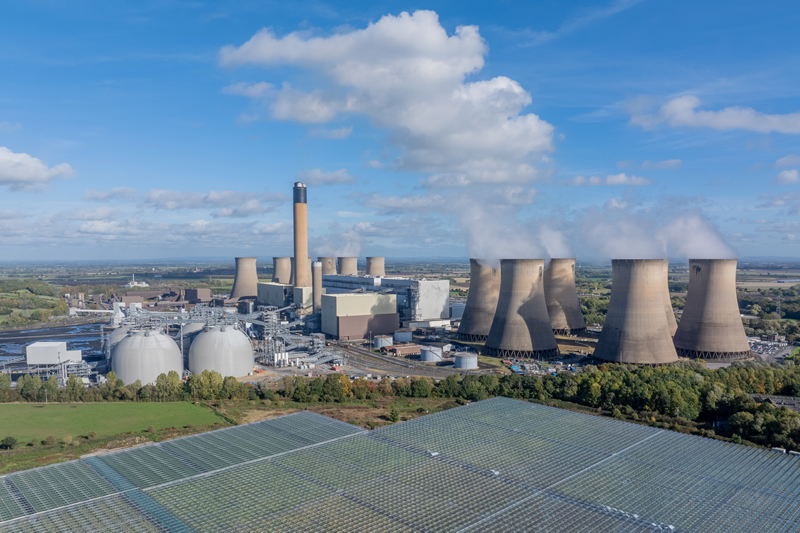
14th July 2025 - Carbon Capture Surges as Economics Policy & Industry Demand Align
After years of skepticism and stalled progress, carbon capture and storage (CCS) is experiencing a dramatic resurgence. Once criticised as too costly, unreliable, or a lifeline for fossil fuels, CCS is now expanding rapidly driven by technological improvements, strong policy support, and rising demand from sectors like AI and data centers.
Read More
7th July 2025 - GHG Emissions At Ports On The Rise Despite Initiatives
A new study has revealed that greenhouse gas (GHG) emissions at major global ports are still rising, despite advances in technology and sustainability initiatives. The report, titled “Quantifying Port Carbon Footprints: Container Vessel Emissions Analysis in Major Global Terminals,” analyses emissions from container shipping operations at key ports in Europe, North America, and Asia. It shows that factors like port congestion and operational inefficiencies significantly affect emissions levels.
Read More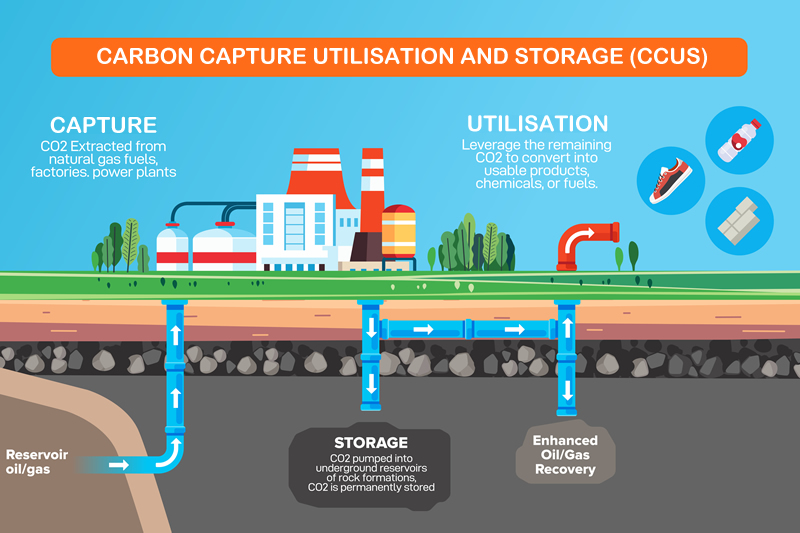
30th June 2025 - Carbon Capture Utilisation & Storage In A Nutshell
CCUS is a climate technology that captures carbon dioxide (CO2) emissions from industrial processes and power generation, then either uses it in other applications or stores it permanently underground to prevent it from entering the atmosphere
Read More
23rd June 2025 - Carbon Capture Reducing Maritime Shipping Emissions
Maritime shipping is responsible for around 3% of global greenhouse gas emissions, making decarbonisation of the sector essential to achieving international climate goals. Industry leaders have recognised the urgency, committing to net-zero emissions by 2050, but reaching that target will require overcoming significant challenges.
Read More
16th June 2025 - UK Approves Viking CCS Pipeline to Support Major Carbon Capture Efforts
The UK government has granted formal approval for the Viking onshore pipeline, a £200 million (~$250 million) project that will play a central role in large-scale carbon capture and storage (CCS) initiatives off the coast of Lincolnshire.
Read More
11th June 2025 - Protea Sales Team & Alantra Panel Discuss Marine Decarbonisation
The Protea sales team recently visited Alantra, joining a panel discussing decarbonisation in the marine industry. The maritime industry is the backbone of global trade, but it faces a critical challenge, decarbonising while maintaining its vital role in enabling the flow of goods worldwide. Alantra have created a "Maritime Decarbonisation Leaders Report" which explores the transformative efforts underway in the shipping sector to address climate change.
Read More
9th June 2025 - Shipping Charts Course To Net Zero Under New IMO Climate Framework
The International Maritime Organisation (IMO) has taken a landmark step toward decarbonising global shipping, approving the first-ever regulatory framework targeting net-zero greenhouse gas emissions by around 2050. The decision, made during the IMO’s Marine Environment Protection Committee (MEPC 83) session in April 2025, sets the stage for transformative changes across the maritime sector.
Read More
2nd June 2025 - UK Unveils Maritime Decarbonisation Strategy For Emission Pricing & Fuel Regulations
The UK has launched a comprehensive new maritime decarbonisation strategy, building on international efforts while placing greater focus on domestic emissions and smaller vessels. Maritime Minister Mike Kane presented the strategy to the House of Commons, outlining the next phase in aligning the sector with the country’s climate goals.
Read More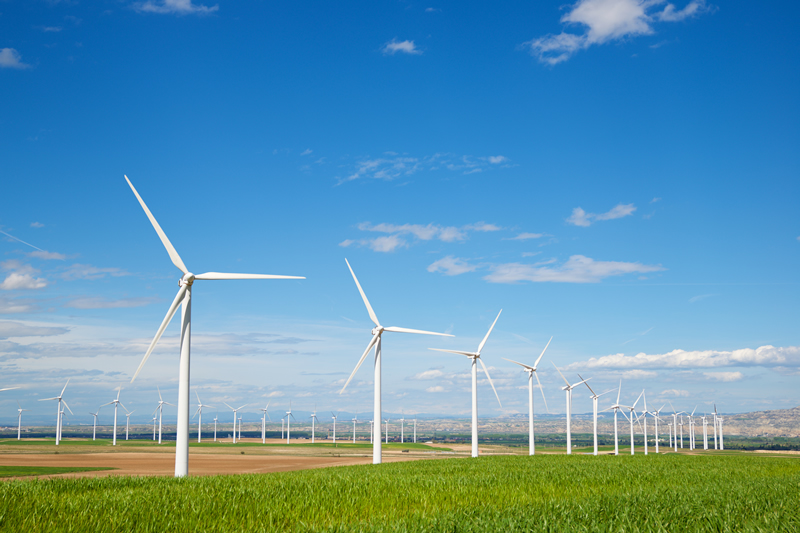
27th May 2025 - World's First Wind Powered Carbon Removal Plant Planned in Texas
A groundbreaking project in Texas could become the world’s first direct air capture (DAC) facility powered primarily by on-site wind energy. The initiative, announced by three European companies, aims to address one of the biggest challenges in carbon removal - high operating costs. By using behind-the-meter wind power electricity generated and consumed on site, the facility will avoid grid reliance and benefit from low-cost, renewable energy.
Read More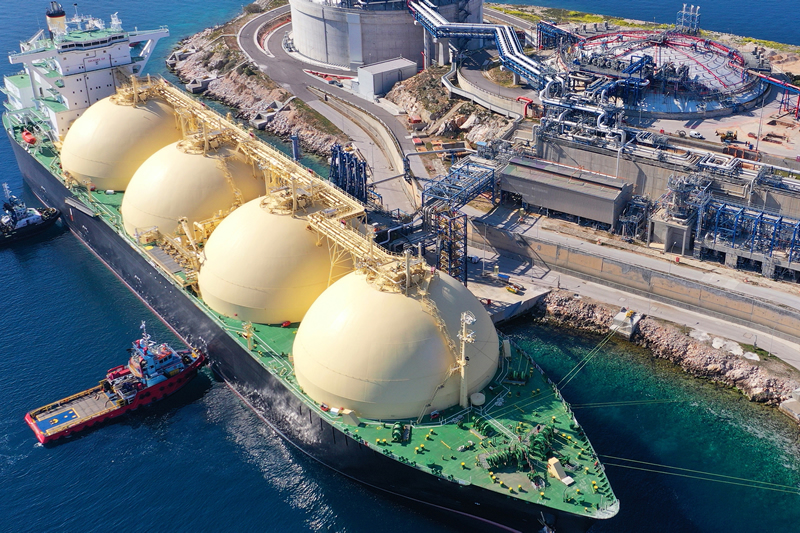
19th May 2025 - LNG Retrofit Market Sees Revival Amid Regulatory Pressures
In 2024, a notable development in the maritime sector was the renewed interest in LNG retrofits, driven by shipowners seeking immediate carbon reduction solutions to meet tightening regulatory demands. Over 305 LNG-fuelled vessels were ordered last year, representing roughly 14% of global newbuild orders and significantly outpacing alternatives like methanol and ammonia.
Read More
12th May 2025 - Approaches To Carbon Management & The UK Strategy
Carbon management technologies are designed to cut CO2 emissions from industries and power plants, and to remove existing CO2
Read More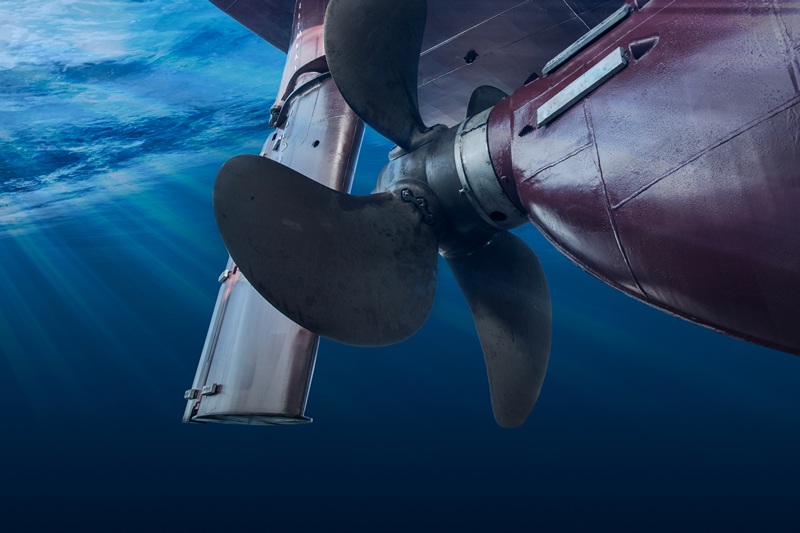
6th May 2025 - 2025 Is a Crucial Year for Shipping Decarbonisation Post MEPC 83
Shipping powers the global economy, carrying over 80% of world trade—but it comes at a climate cost. The maritime sector is responsible for around 3% of global greenhouse gas (GHG) emissions, making it the sixth-largest emitter if it were a country. Efforts to decarbonise the industry have been underway for years, but 2025 marks a turning point. In April, the International Maritime Organization (IMO) was expected to adopt key measures to implement its climate strategy and move the sector toward net-zero emissions by 2050.
Read More
28th April 2025 - Scaling Up Carbon Dioxide Removals In The EU
EU scientific advisors are urging a rapid scale-up of carbon dioxide removal (CDR) to help fight climate change. Both natural methods, like reforestation, and technological solutions will be essential, according to the European Scientific Advisory Board on Climate Change.
Read More
22nd April 2025 - The IMO Must Tighten Rules On Shipping Carbon Emissions
Most global trade relies on shipping, which accounts for about 3% of global climate emissions due to heavy fuel use. One of the simplest and most effective ways to cut these emissions is to slow ships down. A 10% speed reduction can cut a ship’s emissions by nearly 20%, even if more ships are needed overall. This strategy requires no new technology and can be implemented immediately.
Read More
14th April 2025 - Marine Scrubber Market To Reach 20 Billion US Dollars By 2031 With New Emission Rules
Ships are vital for global trade, transporting goods across oceans. Their engines, however, emit significant exhaust gases. Marine scrubbers and exhaust gas cleaning systems are used to reduce these emissions. The marine scrubber market includes the production, installation, and maintenance of these systems.
Read More
8th April 2025 - Protea Attending CEM Middle East 2025 In Bahrain
Protea is making an impact at CEM Middle East 2025 in Bahrain from 8th to 10th April exhibiting at Stand 52. The CEM Middle East Conference and Exhibition on Emissions and Air Quality Monitoring will be taking place in Bahrain on the 8th-10th April 2025 at the Gulf Hotel and Convention Centre in Manama. The CEM Middle East exhibition will follow on from over 35 successful CEM Air Emission and Air Quality meetings that have been organised since 1997.
Read More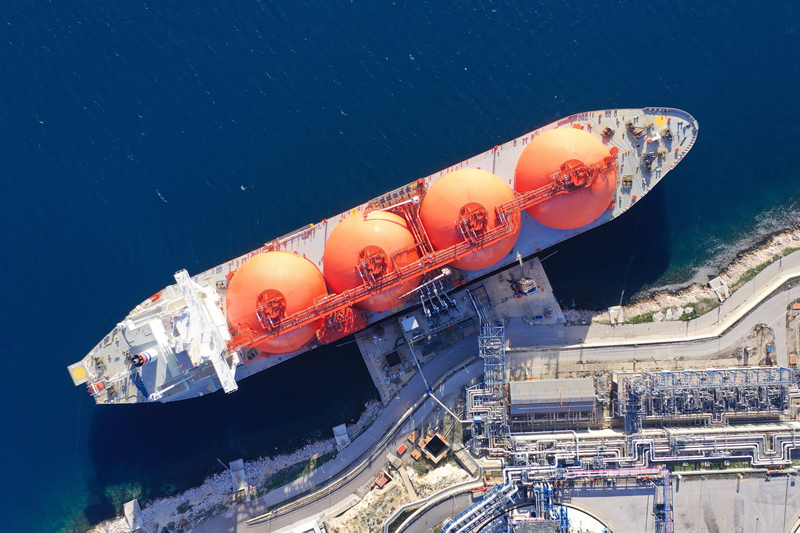
31st March 2025 - EU Maritime Shipping Emissions Continue To Rise Driven By LNG
Methane emissions from the EU’s maritime sector more than doubled between 2018 and 2023, largely due to the rising use of liquefied natural gas (LNG) as a marine fuel, according to the European Maritime Safety Agency (EMSA).
Read More
17th March 2025 - A Combined CCUS & Shipping Strategy Starts In 2025
The UK government is making significant strides in establishing a comprehensive carbon capture, utilisation, and storage (CCUS) supply chain, though integrating non-pipeline transport (NPT) clusters into the network remains in its early stages.
Read More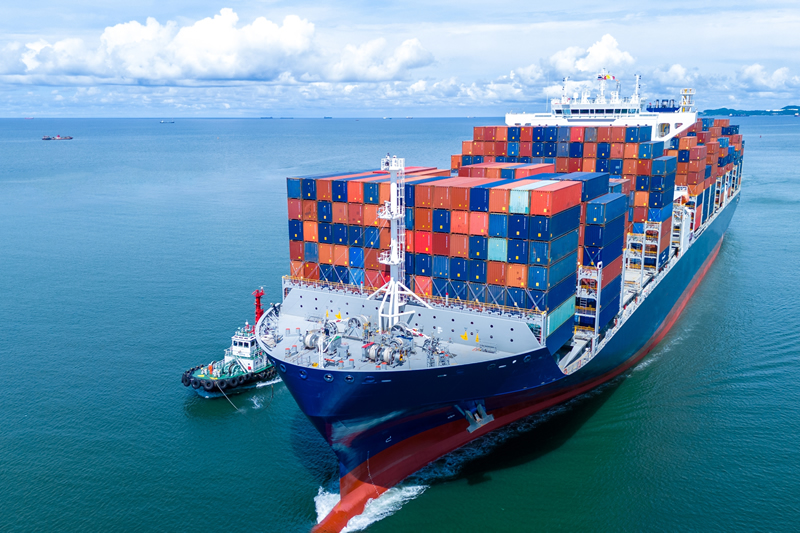
10th March 2025 - IMO Looks To Finalise Proposed GHG Emissions Pricing Mechanism
Shipping emissions are a significant contributor to global greenhouse gas (GHG) emissions, impacting both the environment and public health. The maritime industry alone is responsible for nearly 3% of global CO2 emissions, largely due to its reliance on fossil fuels such as heavy fuel oil (HFO) and marine diesel.
Read More
25th February 2025 - FuelEU Maritime Regulation In Force For 2025
The FuelEU Maritime Regulation (Regulation (EU) 2023/1805), introduced as part of the European Commission’s Fit for 55 legislative package, represents a transformative step toward decarbonising the maritime sector. Fully effective from January 1, 2025, the regulation incentivises the adoption of renewable, low-carbon fuels and clean energy technologies, setting ambitious targets for the shipping industry's greenhouse gas (GHG) reductions.
Read More