Protea News
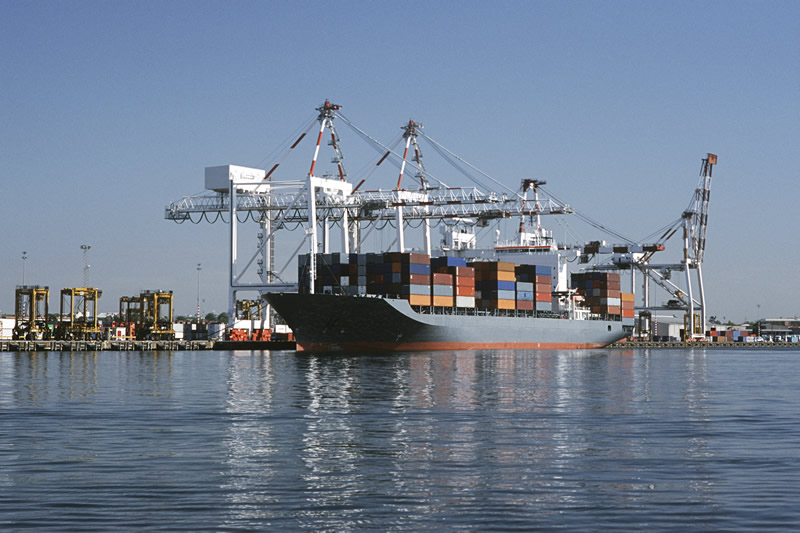
18th December 2023 - EU Emissions Trading System (ETS) Becomes Effective January 1st 2024
The EU Emissions Trading System (EU ETS) stands as a cornerstone of the European Union's strategy to combat climate change, serving as a pivotal tool to cost-effectively reduce greenhouse gas emissions. It was initially introduced in 2005 and is the world's largest carbon market, representing a significant global initiative to address climate change by reducing emissions through a cap-and-trade mechanism.
Read More
11th December 2023 - 5% Scalable Zero Emission Fuel (SZEF) Use By 2030 Progress Report
A recent analysis has revealed that the world is falling short of its goal to have zero-emission fuels represent 5% of international shipping fuels by 2030. This poses a significant challenge to the shipping industry's 2050 decarbonisation objective. Earlier efforts had proposed a crucial milestone known as the "2030 Breakthrough," aiming to achieve at least 5% utilisation of scalable zero emission fuel (SZEF) by 2030. This milestone was endorsed and further refined in the 2023 International Maritime Organization (IMO) GHG Strategy, which now aspires to reach "5%, with an aspiration for 10% utilisation of zero and near-zero GHG emission fuels by 2030" as a portion of the overall energy consumption in international shipping.
Read More
4th December 2023 - Marine Emissions Analysers P2000 In-Situ CEM In Focus
The Protea 2000 emissions monitoring system is approved for the analysis of exhaust gases from the engines and boilers of ships and offshore rigs. Robust and with proven reliability, up to six gases can be measured including SO2, CO2 and NOx.
Read More
27th November 2023 - New Study Reveals High NOx Emissions From Tier II Vs Tier I Engines
A recent research paper published by the International Council on Clean Transportation (ICCT) has brought attention to the concerning levels of nitrogen oxide (NOx) emissions originating from ships. This research paper examined 615 real-world NOx emission samples from 545 ships plying the waters between the North Sea and the Baltic Sea in 2019. The measurements were collected through sensors attached to helicopters, which flew into the exhaust plumes of the vessels. The data encompassed a variety of engine age categories (tiers).
Read More
20th November 2023 - Future Fuel Types For Shipping & Cargo Vessels Being Commissioned
There are an estimated 60,000 cargo ships worldwide, and this number is continually changing as new vessels are constructed and older ones are retired. Cargo ships can be categorised based on their design, size, and the type of cargo they transport. Fuel type is also going to a categorisation that will become more important moving forward.
Read More
13th November 2023 - Long Term Emissions Monitoring Compliance With Protea
Despite recent efforts by the International Maritime Organisation (IMO) to enforce, strengthen and tighten requirements for reducing CO2 emissions, both the United Nations and the European Union are yet to mandate the use of precise and exact real time data. Currently the process can include unreliable calculations when it comes to the logging of marine and shipping emissions.
Read More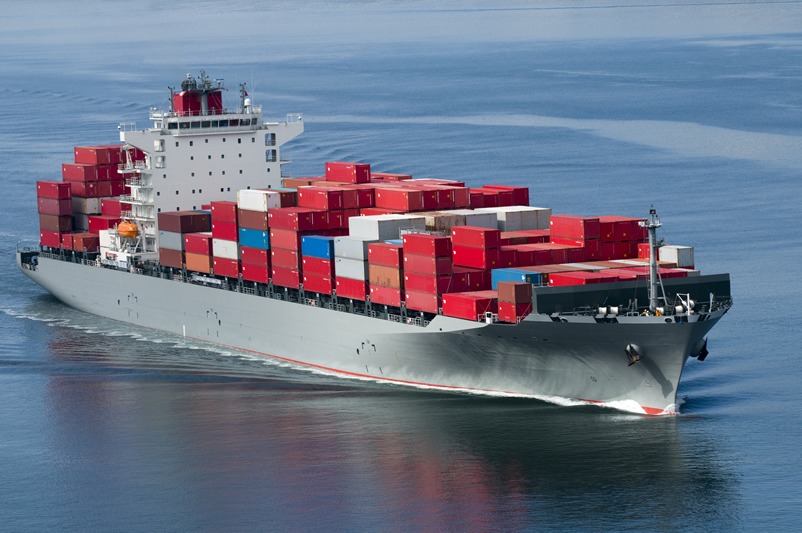
6th November 2023 - European Maritime Industry Gears Up For Emission Fees
Beginning in January 2023, the shipping sector became a part of the European Union's Emissions Trading System, leading to substantial emission-related costs for ships transporting various goods in and out of the EU. This marks the world's first extensive carbon charge initiative for international shipping and aligns with the EU's environmental agenda to combat climate change. However, while these fees are significant, they may not be potent enough to trigger an immediate transition to cleaner marine fuels.
Read More
30th October 2023 - Shipping Is Targeting Zero Emissions With A New Industry Coalition
The maritime industry is making significant strides towards achieving zero emissions. The Zero Emission Maritime Buyers Alliance (ZEMBA), a non-profit organization consisting of major retail brands, has initiated a Request for Proposals (RfP) for the transportation of 600,000 twenty-foot containers (TEUs) over a three-year period using ocean vessels powered by zero-emission fuels.
Read More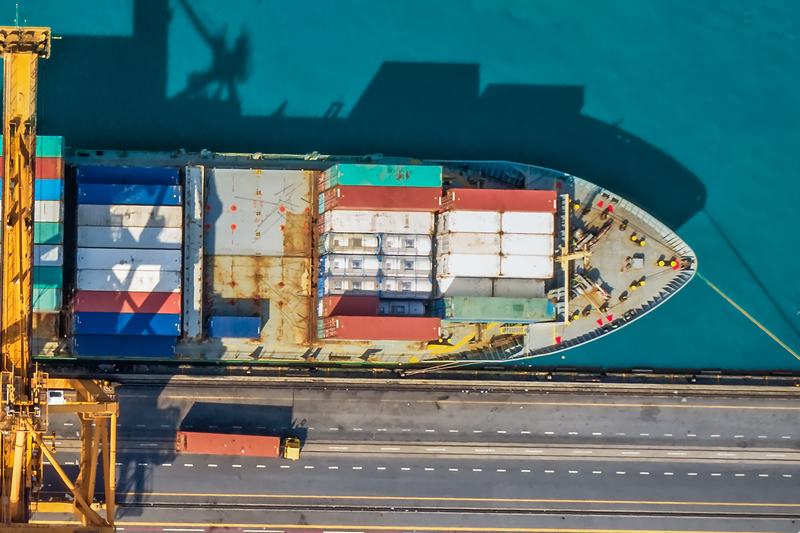
11th October 2023 - Shipping Emissions 20% Higher Than 10 Years Ago
According to the United Nations Conference on Trade and Development's "Review of Maritime Transport 2023," international shipping's greenhouse gas (GHG) emissions in 2023 were 20% higher than they were a decade earlier. Overall, the shipping industry accounts for over 80% of global trade volume and nearly 3% of worldwide greenhouse gas emissions. Despite a dip of 0.4% in global maritime shipping volumes in 2022 due to disruptions caused by COVID-19, the report anticipates a 2.4% growth in 2023.
Read More
3rd October 2023 - UNCTAD Report Calls For Decarbonised Shipping
The United Nations has issued a call for swift decarbonisation of the shipping industry, cautioning that the cost could exceed $100 billion annually, as emissions from the sector continue to rise. The United Nations Conference on Trade and Development (UNCTAD) has released its "Review of Maritime Transport 2023" ahead of World Maritime Day on 28 September 2023, advocating for an equitable and just transition towards a decarbonised shipping industry.
Read More
26th September 2023 - CEM Barcelona 2023 In Pictures
Protea Exhibited at CEM Emissions Monitoring Barcelona 2023 and here we present our exhibition Stand and activity from the distributor sales conference which took place the day before the exhibition. The event was held on Wednesday 20th to Friday 22nd September 2023 in Barcelona, Spain. This CEM event was the place to go for emissions monitoring solutions. The CEM 2023 conference was held in Hyatt Regency Barcelona Tower, Barcelona, Spain.
Read More
22nd September 2023 - Commercial Shipping Powered By Wind
Cargill, the largest private company in the United States and the world's leading agricultural shipping firm, has embarked on its inaugural voyage utilising specialised sails partially powered by wind. The primary objective is to investigate how wind propulsion can contribute to the reduction of energy consumption and carbon emissions in cargo ships and the broader maritime sector.
Read More
18th September 2023 - Showcase For A Green Shipping Programme
Norway has taken decisive strides towards establishing itself as a global frontrunner in efficient and environmentally-conscious shipping, epitomised by its Green Shipping Programme. This dynamic collaboration between the public and private sectors is wholly dedicated to advancing Norway's maritime strategies and objectives. Originally introduced as the Green Coastal Shipping Program in January 2015, this comprehensive initiative involved the participation of 16 private companies, various organisations, and two government ministries.
Read More
12th September 2023 - Shipping Emissions Reduced Using Shore To Ship Power Systems
The European Union is on an inspirational journey advocating for the integration of shore-to-ship power systems within the shipping and maritime sector. With a resolute commitment to a more eco-friendly and sustainable future, the EU has taken definitive measures to counter the adverse impacts of greenhouse gas emissions. Drawing inspiration from the momentous Paris Agreement, the EU has established ambitious targets to curtail carbon emissions, initiating a transformative odyssey across various domains.
Read More
4th September 2023 - Marine Scrubber Control In Focus
Protea’s marine emissions analyser plays an important role in the operation and control of on-board emissions scrubbers. With regulations as laid out in the IMO publication MARPOL Annex VI, control of SO2 emissions from vessels is critical for operators. To reduce emissions, Sea Water Scrubber Flue Gas Desulphurisation (SWS FGD) is operated in both Open Loop and Closed Loop modes.
Read More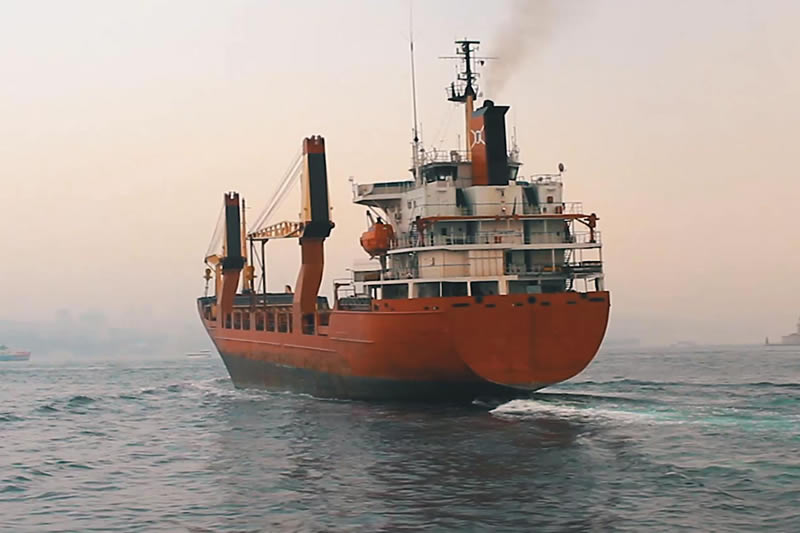
29th August 2023 - Maritime Biofuel Test Yields 20% Emission Reductions
In its most recent assessment, the Global Centre for Maritime Decarbonisation (GCMD) has successfully achieved a noteworthy 20% decrease in emissions through trials involving maritime biofuels. The specific blend under scrutiny consisted of a 30% composition of hydrotreated vegetable oil biofuel, combined with 70% marine gas oil. GCMD's investigation centred on a dual-fuel liquefied petroleum gas (LPG) vessel, which exhibited the emission reduction when utilising the vegetable oil-infused biofuel in contrast to conventional very low sulfur fuel oil (VLSFO).
Read More
21st August 2023 - The EU Emission Trading System & Shipping In Focus
Emission trading schemes (ETS) are increasingly being seen as tools that governments and regulators can employ to combat pollution from international shipping. The central concept behind an ETS is to establish a market mechanism that enforces the "polluter pays" principle. Polluters are required to pay for the environmental and social costs of pollution, including cleanup expenses and potentially research into pollution-reducing technologies. Naturally, raising the cost of pollution provides an incentive to decrease its generation. Protea is a global lead on shipping and marine emissions monitoring systems with a full global support team across the whole of the EU. We are well placed to provide Continuous Emission Monitoring System (CEMS) to the shipping industry with our range of products and solutions.
Read More
14th August 2023 - Marine Environment Protection Committee (MEPC 80) Recap
During the recent 2023 MEPC 80 session, the IMO strategy concerning the reduction of greenhouse gas emissions from ships was approved. This version of the strategy incorporates more ambitious goals for addressing detrimental emissions. Protea is at the forefront of Shipping and Marine emissions monitoring with our P2000 range of Continuous Emission Monitoring Systems (CEMS) specifically designed for stack exhaust power units.
Read More
8th August 2023 - Shipping Industry Debates LNG Versus Fuel Oil
The shipping industry plays a significant role in global trade, accounting for 80-90 percent of merchandise trade volume. However, it also contributes heavily to greenhouse gas emissions, burning of fuel each year, resulting in one billion tonnes of CO2 emissions, which make up about 3 percent of global greenhouse gas emissions. Large ocean-going container ships, tankers, and bulk carriers are responsible for the majority of these pollutants as they transport goods worldwide. Efforts are being made to address this issue, but the implementation of measures is crucial.
Read More
1st August 2023 - Goals For Greenhouse Gas Cuts Agreed With Shipping Emissions Levy Delayed
The imposition of a greenhouse gas emissions levy on international shipping to fund climate action has been postponed, but governments have reached agreements on greenhouse gas reduction goals. The conclusion of recent talks among 175 governments at the International Maritime Organization (IMO) received criticism from campaigners, who consider the agreement insufficient to decarbonize the sector.
Read More
24th July 2023 - Shipping Emissions In Europe Up To 3 Year High & Returns To Pre-Pandemic Levels
Europe's shipping industry experienced a concerning rise in CO2 emissions, reaching a three-year high in the previous year as it approached pre-pandemic activity levels. The analysis conducted by Transport & Environment (T&E) revealed that container and cargo vessels were the primary contributors to these emissions.
Read More