Protea News
7th June 2024 - How Do We Actually Decarbonise Maritime Shipping Activity?
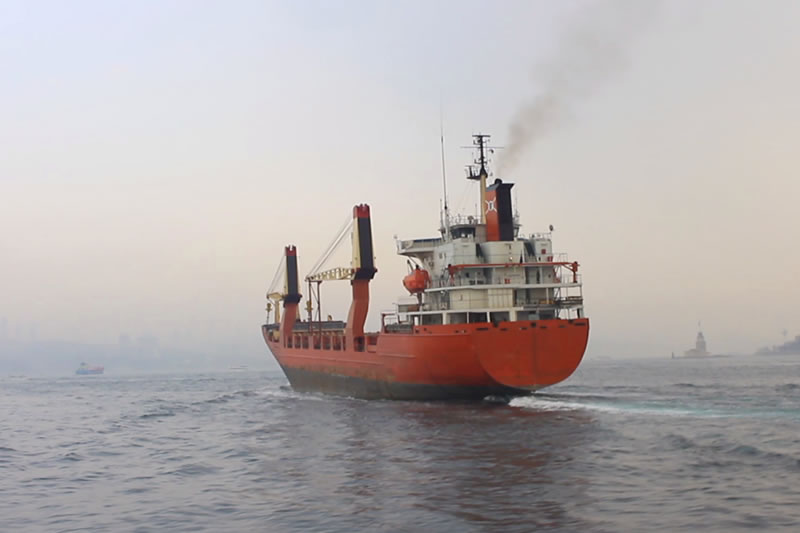
To successfully decarbonise and mitigate climate change, industry stakeholders, governments, and regulatory bodies should collaborate and promptly establish a consensus on future regulatory frameworks and greenhouse gas (GHG) mitigation measures. Such regulations are governed by the International Maritime Organization (IMO), which has set short and long-term goals for the Marine industry, including ambitious net-zero emissions for the maritime industry.
Read More
27th May 2024 - Direct Air Carbon Capture & Storage (DACCS)
A government-funded report cautions that the UK must allocate up to £30 billion towards establishing a network of large-scale air purification systems aimed at extracting CO2 from the atmosphere to achieve net zero emissions. These 'direct air carbon capture systems' would have the capacity to extract up to 48 million tonnes of CO2 annually, subsequently injecting it into decommissioned oil and gas reservoirs beneath the North Sea or Irish Sea. The report, authored by Energy Systems Catapult (a government-backed organisation fostering innovation) asserts that without such an initiative, the UK will fail to meet its goal of achieving net zero emissions by 2050.
Read More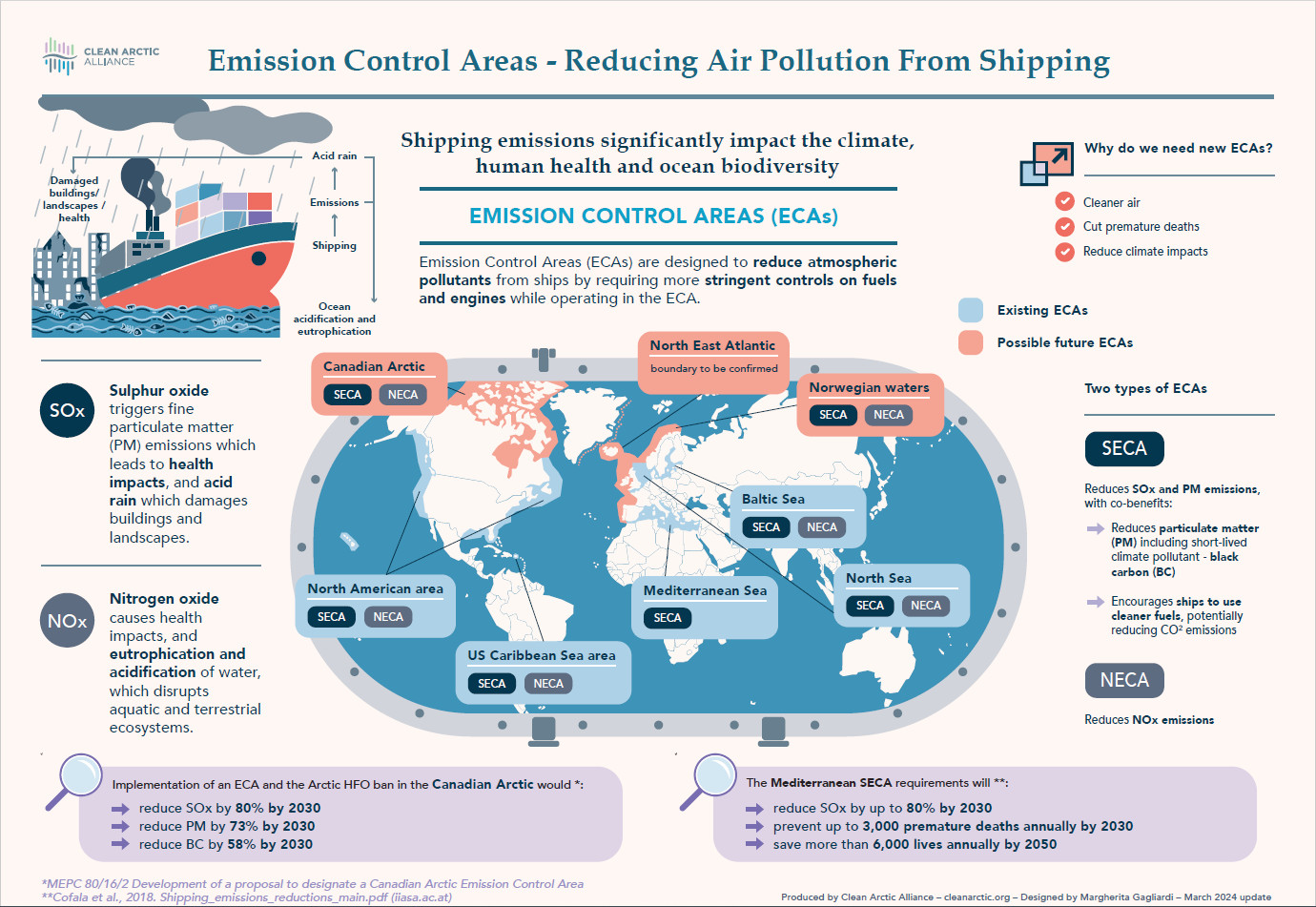
20th May 2024 - Spotlight On The New Emission Control Area In Canadian Arctic Waters
The benefits of establishing an Emission Control Area (ECA) in Canadian Arctic waters support measures that would not only diminish harmful air emissions from ships, leading to improved air quality for northern communities, but also yield positive outcomes for marine and terrestrial ecosystems and wildlife. Furthermore, it would play a role in mitigating climate-forcing black carbon pollution in the Arctic. The recently announced ECAs in Canadian Arctic waters is poised to make substantial strides in reducing ship-related air pollution in the Arctic region.
Read More
13th May 2024 - Carbon Capture Markets To Increase Up To 2030 & Beyond
Carbon Capture and Storage (CCS) is emerging as a crucial technology for climate mitigation. Prominent analyses by the IEA, IPCC, and the Energy Transition Commission (ETC) all project that by 2050, large-scale deployment of CCS in the gigatonne range will be necessary. However, despite its pivotal role, current deployment levels fall well short of what is necessary to fully realise the technology's potential. Both governments and the private sector face significant challenges in financing and scaling CCS projects.
Read More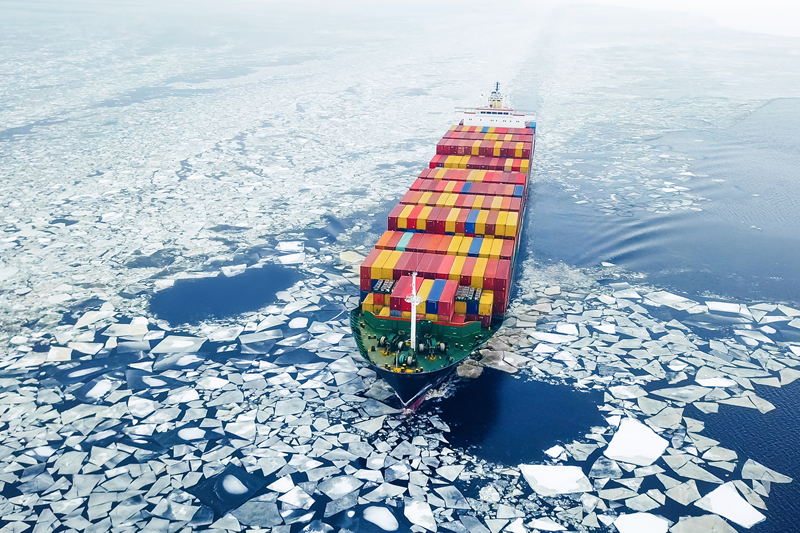
7th May 2024 - Two New Emission Control Areas (ECAs) Support A Global Carbon Emissions Levy in the Shipping Sector
Two fresh Emission Control Areas (ECAs) have garnered support from the International Maritime Organisation's Marine Environment Protection Committee (MEPC 81), marking a significant step towards implementing a global carbon emissions tax within the shipping industry. MEPC 81, convened recently in London, greenlit the establishment of two distinct ECAs: one in Canadian Arctic Waters targeting nitrogen oxides, sulphur oxides, and particulate matter, and another in the Norwegian Sea addressing nitrogen oxides and sulphur oxides. These proposals are now poised for submission to MEPC 82 for final adoption.
Read More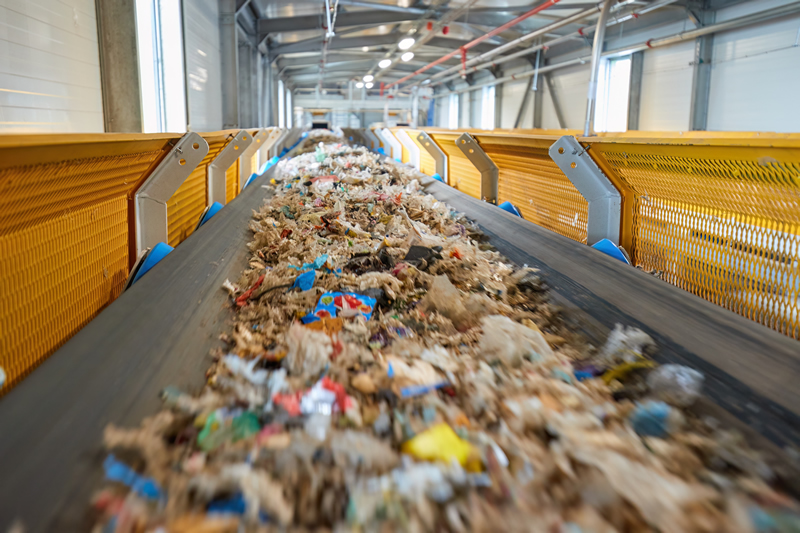
29th April 2024 - UK's First Waste To Energy Carbon Capture Pilot Plant Unveiled
Enfinium, a waste-to-energy operator based in the UK, has unveiled plans to inject £800 million into a carbon capture and storage (CCS) venture at its facility in West Yorkshire. Teaming up with green technology firm Hitachi Zosen Inova, Enfinium intends to set up the UK’s maiden energy-from-waste carbon capture pilot at its Ferrybridge-1 plant in West Yorkshire.
Read More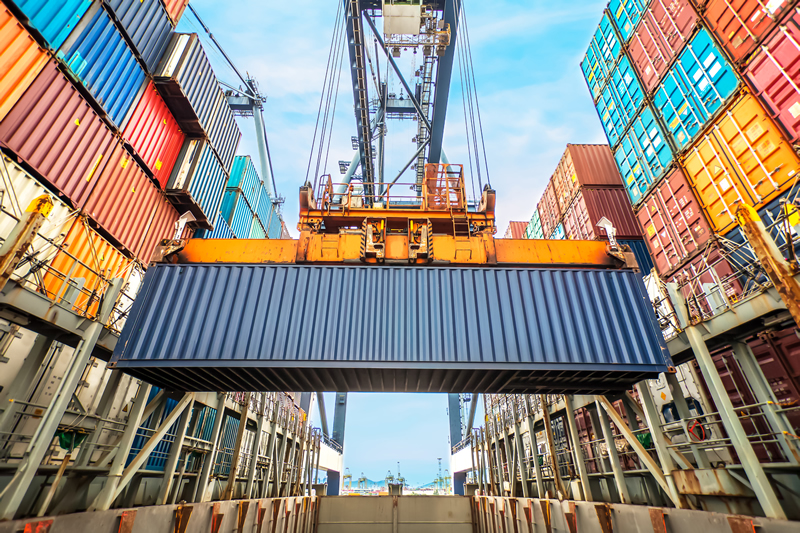
22nd April 2024 - Environmental Protection Agency (EPA) Clean Ports Program In Focus
Earlier this year the US Environmental Protection Agency (EPA) announced a 3$ billion zero emission transition project. Established under the Inflation Reduction Act (IRA), the "Clean Ports" Program aims to help ports transition to zero-emissions operations, reduce diesel pollution and engage with the local community. The funding is open as a competitive bidding based process spread across a number of critera. 100% of the 3$ billion allocation is to be assigned by the middle of 2024.
Read More
16th April 2024 - Wet Gas Calibrator for CEMS
Protea has released our new, improved wet gas calibrator for field calibration of CEMS. The atmosFieldCAL is a portable device that allows for wet or humidified calibration gas to be generated on-site to validate AMS/CEMS or P-AMS.
Read More
15th April 2024 - Carbon Capture Storage Association Spring Budget Assessment
The Carbon Capture & Storage Association (CCSA) is the lead European association accelerating the commercial deployment of carbon capture, utilisation and storage (CCUS) through advocacy and collaboration. CCUS is an essential solution to reach net zero emissions. CCUS plays a vital role in reducing emissions from industries such as steel, cement, chemicals and refining. CCUS is one of the very few methods which can remove CO2 from the atmosphere at an industrial scale.
Read More
8th April 2024 - Two Major British Carbon Capture Projects Unveiled
Two large Carbon Capture, Usage and Storage facilities have been recently granted planning permission with full backing by the UK Government. One project is located near Hull in East Yorkshire and the other near Middlesbrough in Teesside.
Read More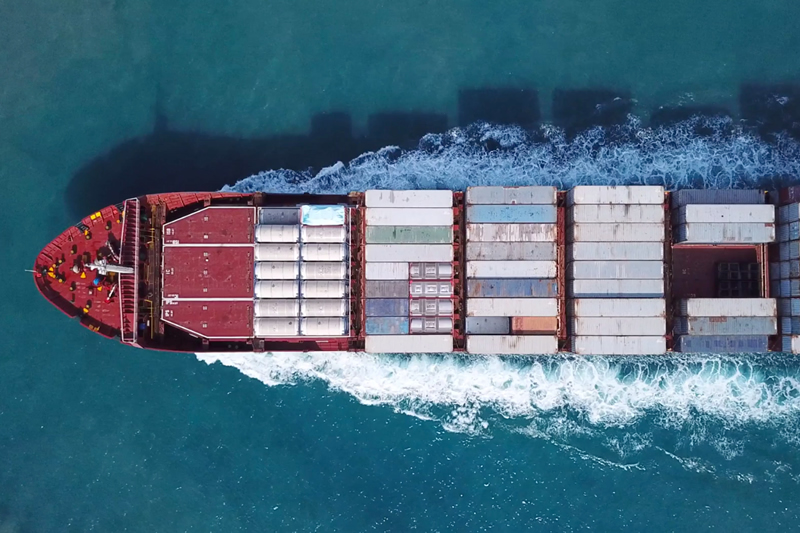
25th March 2024 - Shipping Emissions CCS Trial Deemed A Success
A UK-based developer of carbon capture solutions has completed a successful trial of its carbon looping carbon capture technology on a commercial container ship, the Sounion Trader, owned by Lomar. Following this achievement, the company now aims to scale up the technology, with plans to initiate commercial operations by 2025.
Read More
18th March 2024 - The Three Main Steps Of Carbon Capture & Storage
Protea has been running a number of articles on CCS during the year with a focus on the latest initiatives and activities around the globe. We thought we would revisit the principles of the process. Carbon capture and storage (CCS) is a process designed to capture carbon dioxide (CO2) emissions produced from industrial processes or power generation and prevent them from entering the atmosphere. The captured CO2 is then transported to a storage site, typically deep underground, where it is securely stored to prevent its release into the atmosphere.
Read More
11th March 2024 - EU Targets 50M Tonnes Per Year Of CO2 Storage By 2030
The European Union (EU) aims to achieve a storage capacity of 50 million tonnes per year of CO2 by 2030 as part of its strategy to achieve net-zero emissions by 2050, according to a new strategy released by the European Commission. This strategy emphasises the necessity of significantly increasing industrial carbon capture capacity to meet these goals.
Read More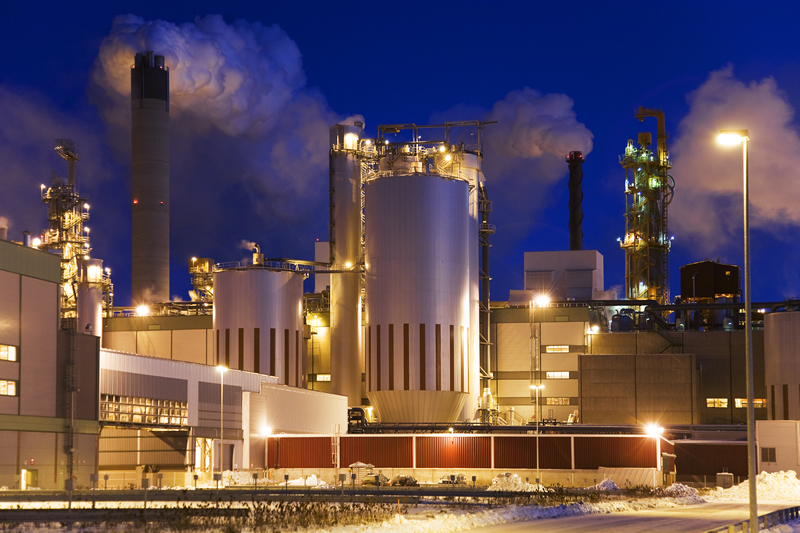
4th March 2024 - CCS Growth Is Set To Continue With Challenges Ahead
The carbon capture and storage (CCS) market is anticipated to witness growth despite facing challenges in initiating significant momentum in 2024, according to global financial services provider ING. ING suggests that expectations for rapid expansion this year should be tempered, giving way to more pragmatic anticipation of steady progress in the emerging carbon capture sector.
Read More
26th February 2024 - Joint Venture Announced To Build Ship Based Carbon Capture Systems
Pooling their expertise, the joint venture endeavors to assist vessel owners in curbing CO2 emissions from both newbuild and existing ships. Shipboard CO2 capture holds tremendous promise as a technology, particularly in the North Sea, which is poised to witness a surge in CO2 shipping due to its proximity to densely populated regions of northern Europe. Bouman Industries and Conoship International, partners in the EverLoNG ship-based carbon capture project, have inked an agreement to establish a joint venture aimed at constructing ship-based carbon capture (SBCC) systems.
Read More
6th February 2024 - CCUS Vision Sets Out Plans for New Competitive Market in Carbon Capture, Usage and Storage
The UK government has recently revealed a bold new plan aimed at fostering a competitive carbon capture market, bolstered by an unprecedented £20 billion investment. This initiative, dubbed the CCUS Vision, outlines a roadmap for establishing a thriving UK carbon capture, usage, and storage market by 2035, thereby generating employment opportunities and advancing the nation's commitment to achieving net zero emissions.
Read More
29th January 2024 - China Aims To Build More Than Half The World's Cleaner-fuel Ships By 2025
China has outlined an ambitious target to manufacture over half of the world's cleaner-fuel-powered ships by 2025, as revealed in guidelines released by the industry ministry on Thursday. Although the guidelines did not specify the exact number of ships involved, they emphasised China's commitment to constructing more vessels propelled by lower-carbon fuels like methanol and liquefied natural gas. This initiative aligns with Beijing's broader aim to achieve carbon neutrality by 2060.
Read More
23rd January 2024 - Could Shipping Journeys Become Longer Due To Geopolitics?
Global shipping offers several pinch points or potential bottlenecks spread across the world's seas and oceans. There is potential for geopolitics to interrupt these recognised routes making journeys longer in both time and nautical distance. This in turn would have a major impact on not just cost, but also marine and shipping emissions.
Read More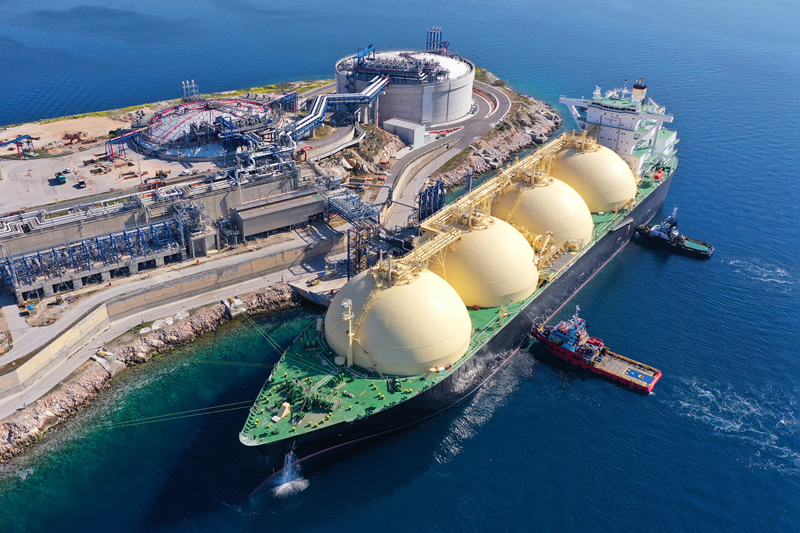
15th January 2024 - LNG Fuel Bunkering Increases With New Emissions Rules
In just under 18 months, the Mediterranean is poised to implement stricter limits on maritime emissions. Market observers in the region are already anticipating that liquefied natural gas (LNG) will emerge as a favourable alternative to traditional and more polluting marine fuels.
Read More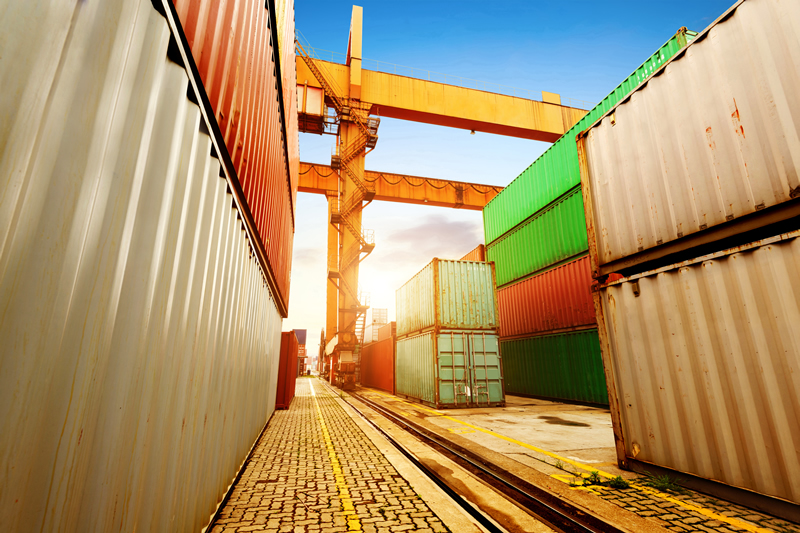
8th January 2024 - Research Article Offers Impact Of Alternative Shipping Fuels
A recent study published in the online journal "Environments" assessed the environmental impact of eight alternative fuels in international shipping, comparing marginal and average emissions. The primary focus of the study was driven by global warming and environmental concerns, aiming to identify the most sustainable alternative among candidate fuels.
Read More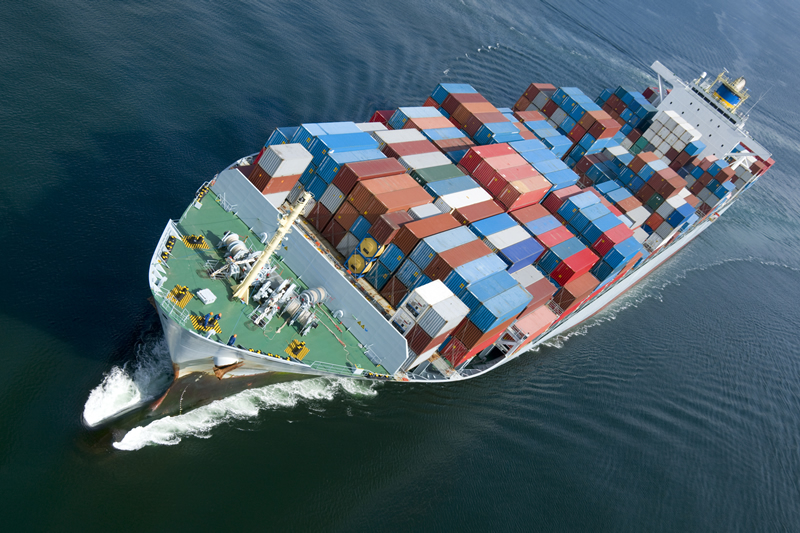
4th January 2024 - Ensure Your Fleet Adheres To EU ETS Standards
With the imminent inclusion of maritime emissions in the EU's Emission Trading System (ETS) from January 2024, the industry finds itself continuously adapting, having spent much of 2023 striving to meet the International Maritime Organisation's (IMO) CO2 requirements.
Read More